
Buying a period home: what to look for in properties built before 1930
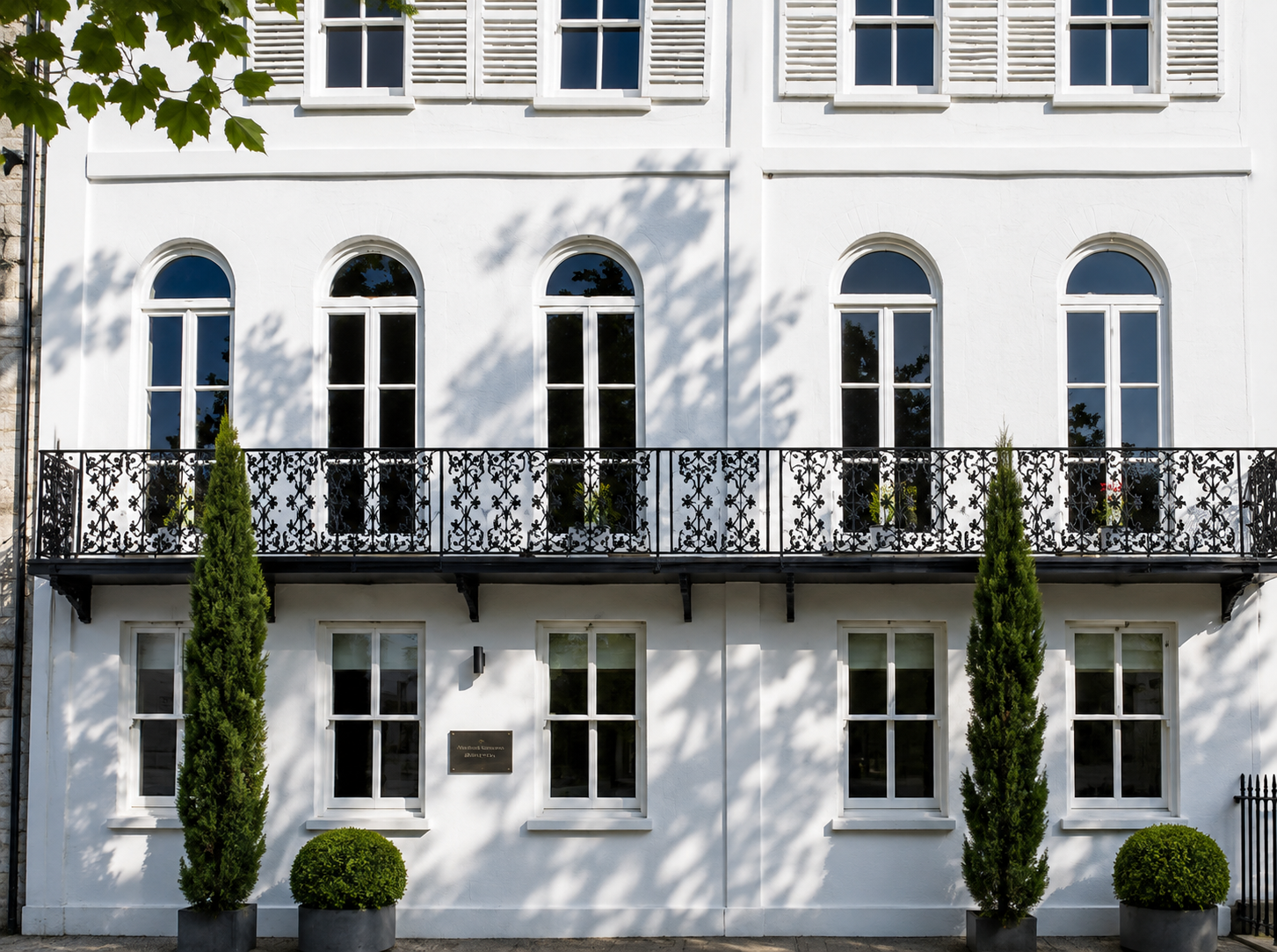
Period properties have a character modern builds rarely match. High ceilings, original fireplaces, bay windows, stained glass, exposed beams. But a house that's stood for 90 or more years has rarely survived unchanged. Roofs get rebuilt, walls get rendered or repointed with modern materials, window frames get replaced, extensions get added, floor levels get raised. Some of that history is sympathetic. Some of it introduces problems that aren't obvious on a viewing. That's exactly why a full survey matters more on a period home than almost anywhere else.
Worth saying plainly: a mortgage valuation is not a building survey. A lender's valuer looks at the property briefly, checking mainly what affects the lender's security, not a detailed inspection of how the building actually works. For an older or significantly altered property, I'd always recommend the most thorough option available, a Level 3 Home Survey. It gives you a proper inspection and a report covering visible defects and the less obvious issues behind them: what's wrong, why, and what your options are.
Construction and materials
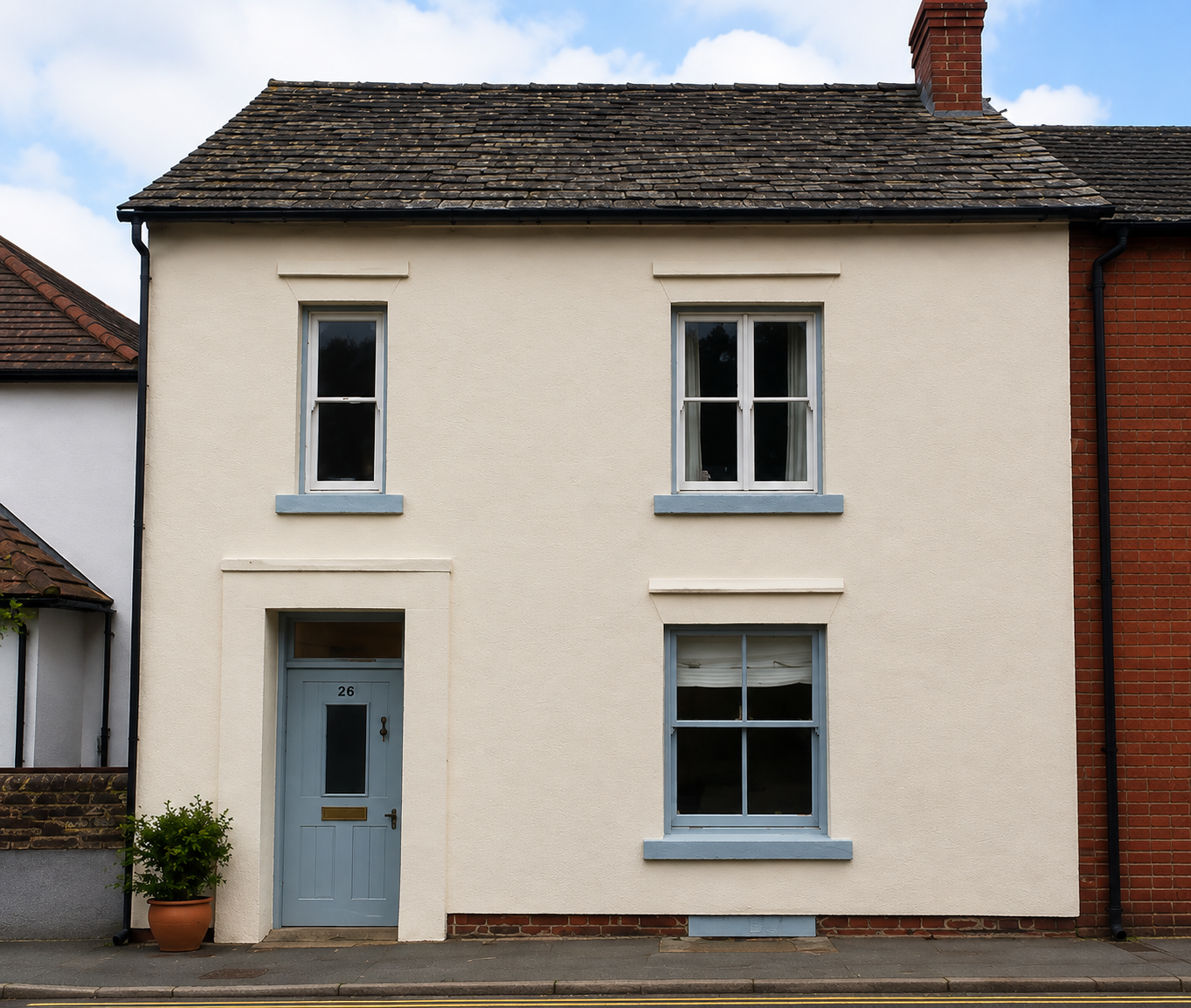
Period homes were built differently to modern houses. Many have solid masonry walls, brick or stone, joined with lime mortar and lime plaster. These materials breathe: they absorb moisture and release it naturally. Modern cavity walls, cement mortars and waterproof renders weren't part of that original design, and over the years, well-meaning owners often "upgrade" a period house with cement pointing, cement render, or modern impermeable paints. The problem is these changes can block the wall's ability to dry out, trapping moisture rather than letting it go. Render a lime-walled cottage in cement and you can introduce damp in places it never appeared before.
Ventilation matters just as much. Many period houses have suspended timber floors, ventilated by air bricks set into the brickwork, or were designed around through-draughts and window vents that modern renovation often overlooks. Air bricks get blocked over the decades. Floor space gets filled in. Ground levels and patios creep up and bridge the wall below floor level. Before you buy, check the air bricks are clear and open, and that nothing, earth, paving, a flower bed, is piled against the lower part of the walls. Without that ventilation, moisture building up under the floor can lead to rot or rising damp.
Structural movement and alterations
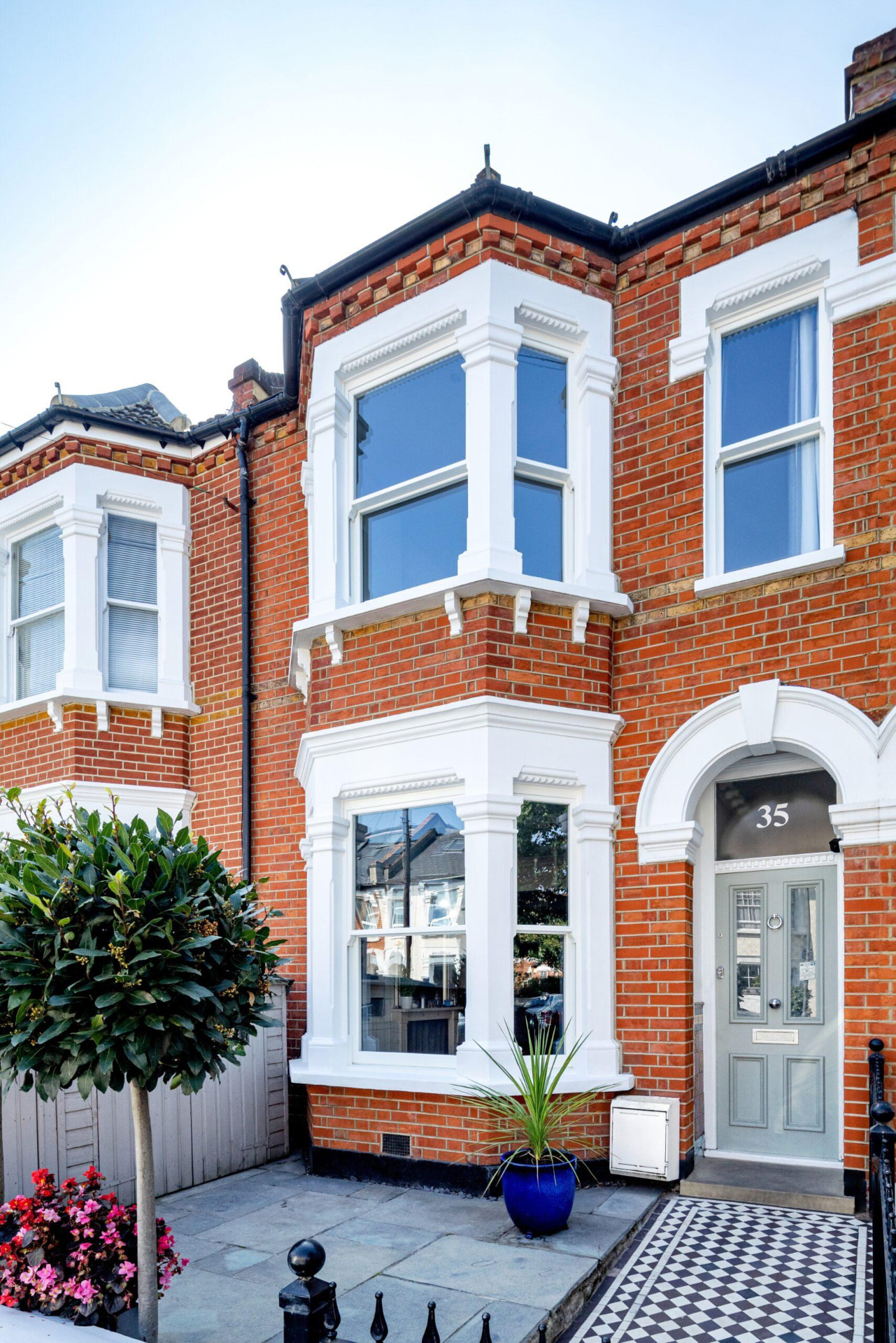
Some settled movement is normal in a period home. Many Victorian houses have bay windows sitting on shallower foundations than the main walls, and over time a slight crack or step where the bay meets the house is common, and usually historic and stable rather than a current concern. What matters is whether movement looks fresh or long-settled. Large cracks in walls or ceilings, particularly around doors and windows, especially if they run diagonally, are worth a closer look. So are noticeably sloping floors or a fireplace pulling away from the wall. Part of what a proper survey does is tell you which is which: historic and acceptable, or active and worth investigating. It's also worth asking whether an extension or loft conversion happened at some point, and whether it could have shifted foundations or wall loads.
Look beyond the character
It's easy to fall for the beautiful features and skip past the less visible parts of the building. Worth checking:
- Roof and chimneys. Has the covering or flashing been replaced? Look for loose or lifted slates and tiles, flashing disturbed by settled chimneys, gutters and downpipes that aren't doing their job. A leaking slate or blocked gutter can quietly soak into a wall for years before it shows.
- Walls and finishes. Cement repointing or render on an older house can trap moisture that breathable lime mortar would have released. Hard, cracked render is often worth a closer look. Near ground level, white salt deposits or peeling paint can hint at moisture issues worth investigating.
- Windows and doors. Replacement windows aren't automatically a problem, but worth considering whether the new frames have changed how the wall breathes. Widened openings or new lintels can also leave cracking or rust staining if the work wasn't done well.
- Sub-floor and floor structure. Lift a floorboard near a porch or cupboard if you can, and check the air bricks aren't blocked by earth or debris. Old joists are worth a look for woodworm or rot too, something a survey will note.
- Services. Old wiring, Bakelite switches, ceramic fuse boxes, often needs full replacement. Plumbing can be just as dated: lead service pipes and clay drains were both common underground, and both are worth budgeting to replace if they're still there.
- Planning history. Find out early whether the property sits in a Conservation Area or is listed. It won't change the structure, but it changes what work you're allowed to do, and Listed Building Consent for something as simple as replacing a window is worth knowing about before it affects your budget or timeline.
A good rule of thumb: assume the roof, services and drains will need attention at some point. Budgeting for it beats being surprised by it.
A period home deserves a considered survey
For pre-1930 properties, especially anything substantially altered, I'd generally recommend a Level 3 Home Survey. This isn't about nitpicking every old door, it's about understanding how the building actually works: what's original, what's changed, and what those changes mean for you. A proper report explains not just what's wrong but why, damp caused by blocked gutters reads very differently to damp caused by decades-old repointing, and gives you a sense of priority and cost so you know what needs attention first.
Don't judge a period property by its prettiest features alone. The charm comes with decades, sometimes centuries, of history, and most of that history is fine. Some of it isn't. A careful viewing paired with a proper survey is how you tell the difference.
Buying an old house can feel daunting, but you don't have to work it out alone. If you're unsure about anything, wall construction, an unusual crack, how to budget for repairs, get in touch and we'll talk it through in plain English, including whether Level 2 or Level 3 is the right fit for your property.
Talk it through with Lee.
If any of this raises a question about a property you are buying, a short conversation usually brings clarity.