
Which Home Survey Do I Need?
Buying a property is a big commitment, and one of the first questions many buyers ask is which type of survey they actually need. The answer is not always as simple as choosing a Level 2 for a newer property and a Level 3 for an older one. The age of the house matters, but so do its construction, condition, history and any alterations that have been made over the years. A well maintained house from the 1980s may be perfectly suited to a Level 2 survey. On the other hand, a relatively modern property that has been heavily extended, altered or shows signs of movement may need a more detailed Level 3 Home Survey. The right survey is about understanding the property in front of you. Before looking at the differences, it is also worth clearing up one common misunderstanding.
A note on names
You may still see these surveys described using their older names. A Level 2 Home Survey was formerly known as a HomeBuyer Report, and a Level 3 Home Survey was formerly known as a Building Survey. They are the same inspections under updated names, so if you have been searching for either of the older terms, this article covers them.
A mortgage valuation is not a survey
If you are buying with a mortgage, your lender may arrange a valuation. This is primarily for the lender's benefit. Its purpose is to help the bank decide whether the property provides suitable security for the loan. It is not intended to give you a detailed assessment of the building's condition.
A valuation may identify an obvious issue, but you should not rely on it to tell you about the full condition of the property or the repairs you may be taking on. That is where a RICS survey comes in.
The different levels of RICS survey
RICS sets standards for residential property surveys and provides three different levels.
Level 1 Condition Report
A Level 1 survey provides a basic overview of the visible condition of a property using condition ratings. It is the most limited level of survey and is less commonly chosen by buyers.
Level 2 Home Survey
A Level 2 survey is designed for properties that are of conventional construction and appear to be in reasonable condition. It provides a clear assessment of the property's visible condition and highlights significant defects, areas requiring attention and matters where further investigation may be needed. For many straightforward homes, this will provide the right level of information without the additional detail of a Level 3 survey.
Level 3 Home Survey
A Level 3 Home Survey is the most detailed of the three levels. It allows for a more detailed inspection of the accessible parts of the building and provides a fuller explanation of its construction, condition and any defects identified. It is often the better choice where the property is older, altered, unusually constructed or where there are already concerns about its condition. For buyers, the real decision will usually be between Level 2 and Level 3.
When might a Level 2 survey be right?
A Level 2 Home Survey can be a good choice for a conventional property that appears to be in reasonable condition. For example, you might be buying a fairly typical brick built house, flat or bungalow with no obvious signs of significant defects or major alterations.
During the inspection, we consider the main visible and accessible elements of the property and identify issues that may require your attention. The report can help you understand:
- the overall condition of the property
- significant defects and areas requiring repair
- signs of dampness, movement or other visible problems
- issues that may require further investigation
- maintenance and repair matters affecting the property
The report uses condition ratings to help you understand the relative importance of the issues identified. A well maintained 1980s semi-detached house, for example, with conventional construction and no significant alterations, may be well suited to a Level 2 survey. However, the date a property was built should not be the only deciding factor. A newer house can still have complicated alterations, unusual construction or significant defects.
When should you consider a Level 3 Home Survey?
A Level 3 Home Survey is usually the better option where there is more to understand about the property. That may be because of its age, construction, condition or the changes that have been made to it. A Level 3 survey may be worth considering if you are buying:
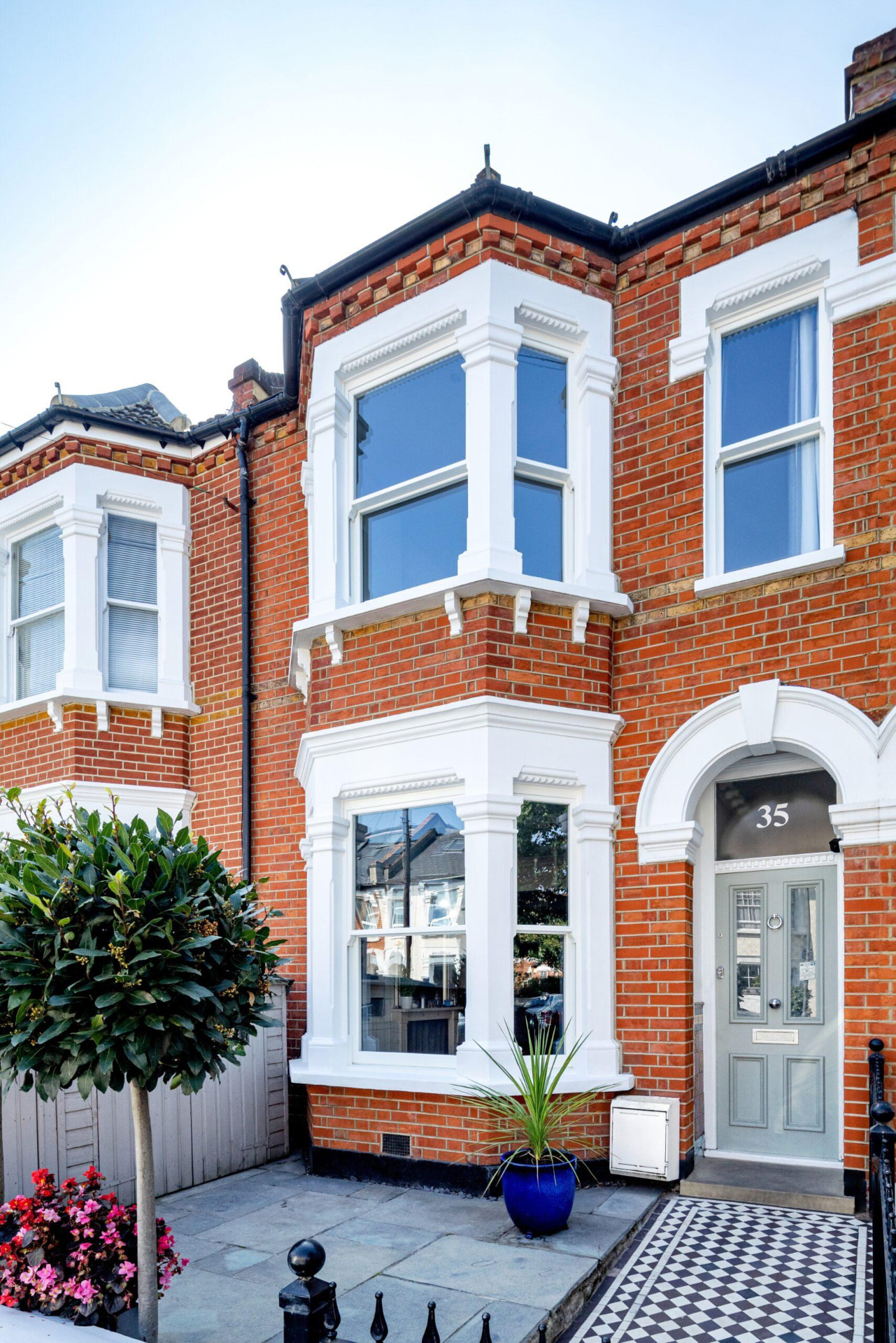
- a Victorian, Edwardian, Georgian or other period property
- a listed building
- an older cottage or traditionally constructed home
- a property with unusual or non-standard construction
- a house that has been substantially extended or altered
- a property with a significant loft conversion or structural alterations
- a larger or more complex home
- a property where significant defects are already apparent
- a home you are planning to substantially alter or renovate
Older properties in particular can have a long history. Roofs may have been replaced. Extensions may have been added. Internal walls may have been removed. Modern materials may have been introduced into buildings that were originally constructed very differently. The job of a Level 3 survey is not simply to produce a longer list of defects. It gives us the opportunity to look at the building in greater detail and explain what we have found, why it matters and what you may need to do next. Where appropriate, we may recommend further investigation or specialist advice. Indicative repair costs can also be provided as an additional service where agreed.
So, what is the actual difference?
The difference is not simply that a Level 3 survey is "better". A Level 3 survey provides more detail, but that does not necessarily mean every property needs one. A Level 2 survey can provide exactly the right level of information for a straightforward property that appears to be in reasonable condition. A Level 3 survey becomes more valuable where there is greater uncertainty about the building.
You may be more suited to a Level 2 survey if the property:
- is of conventional construction
- appears to be in reasonable condition
- has not been substantially altered
- does not show obvious signs of significant defects
A Level 3 survey may be more appropriate where the property:
- is older or traditionally constructed
- is listed
- has been extended or significantly altered
- has unusual construction
- shows signs of significant defects
- is being bought with major renovation work in mind
The important thing is to look at the individual property rather than relying on a simple rule based on its age.
What a survey will not do
Neither a Level 2 nor a Level 3 survey is normally a destructive inspection. We do not usually lift fitted carpets, remove floorboards, drill into walls or open up concealed parts of the structure. The inspection is based on what can be safely and reasonably seen and accessed at the time.
This means that some hidden defects may not be visible. Where there are signs that a concealed problem may exist, the report may recommend further investigation by an appropriate specialist.
When should you arrange your survey?
It is generally sensible to arrange your survey once your offer has been accepted and while there is still time to act on the findings before you become legally committed to the purchase. If you are buying with a mortgage, you may prefer to wait until your formal mortgage offer has been issued before committing to the cost of a survey. The important thing is to allow enough time to receive the report, consider what it means and arrange any further investigations if they are needed.
A survey may help you decide whether:
- repairs are likely to be required
- further investigation is needed
- you want to revisit the property
- the purchase price should be renegotiated
- the property is still right for you
Sometimes the survey confirms that the property is exactly what you hoped it would be. Other times, it gives you information that changes the conversation. Either way, it is better to understand the building before you commit to buying it.
Making the right choice
There is no rule that says every house built before a certain year automatically needs a Level 3 survey. Equally, a modern property is not automatically suited to a Level 2. Every property has its own history. Its construction, condition, alterations and any visible signs of defects all need to be considered alongside its age.
If you are unsure which survey is right, you do not need to make that decision on your own. Talk to us about the property before you book. We will look at what you are buying, discuss any concerns you already have and give you an honest view on which level of survey is likely to be the most appropriate.
Talk it through with Lee
If you are unsure whether a Level 2 Home Survey or Level 3 Home Survey is right for the property you are buying, get in touch. A short conversation about the property can often make the decision much clearer.
Every home has a story. Our job is to help you understand it before you buy.
Talk it through with Lee.
If any of this raises a question about a property you are buying, a short conversation usually brings clarity.