
Flat roofs and extensions: what we find most often
Flat roofs have a reputation, and it's not entirely fair. A well-built, well-maintained flat roof can perform perfectly well for decades. The trouble is that flat roofs are unforgiving of shortcuts, and extensions often added years after the original build by different builders working to different standards are exactly where shortcuts tend to show up.
Why flat roofs need a different eye
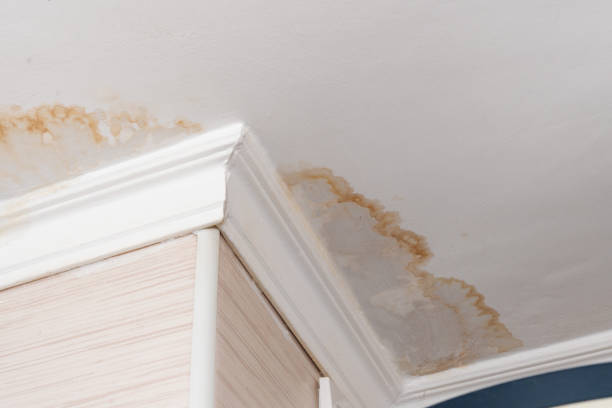
A pitched roof sheds water quickly by design; a flat roof has to manage it, which means falls, drainage, and detailing all matter far more. Even a slight error in the fall of the roof, or a poorly formed junction where the roof meets a wall, can lead to standing water and, eventually, a leak that's travelled some distance from where it first got in. That's part of why problems on flat roofs are often noticed well after the extension itself was completed.
What turns up most often
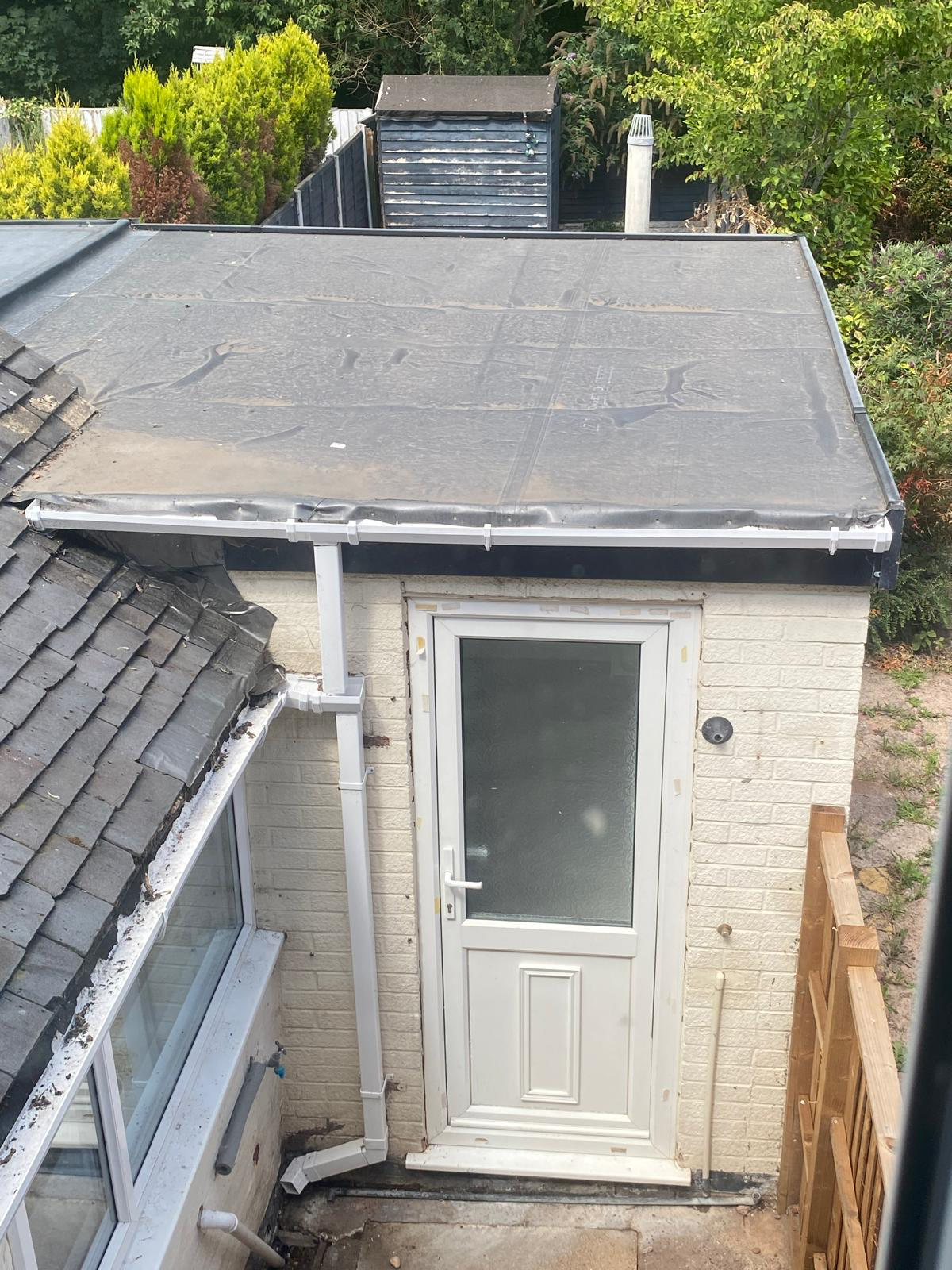
Ponding water sitting on the surface rather than draining away is one of the most common findings, usually pointing to inadequate falls at construction. Perished or blistering felt and worn EPDM or GRP coverings are another, particularly on roofs approaching or past their expected lifespan. We also regularly see poor detailing around upstands, rooflights and abutments, the small junctions where most flat roof leaks actually originate, rather than the flat surface itself.
Extensions bring their own questions
Beyond the roof itself, an extension raises questions a survey needs to address on their own terms: was it built with the right permissions, does the junction with the original structure show any movement, and was the work carried out to a standard that matches the rest of the house. An extension that looks seamless from the inside can sometimes tell a different story where it meets the original brickwork.
Why it's worth checking properly
A flat roof in poor condition isn't necessarily a deal breaker, but it is often a short term cost and one that's easy to underestimate from a quick look. Understanding its actual condition, rather than assuming it'll "probably need doing at some point," is exactly the kind of thing a proper inspection is for.
Buying a home with a flat roof extension? It's worth making sure your survey gives it the attention it needs, get in touch if you'd like to talk through what to look out for.
Talk it through with Lee.
If any of this raises a question about a property you are buying, a short conversation usually brings clarity.